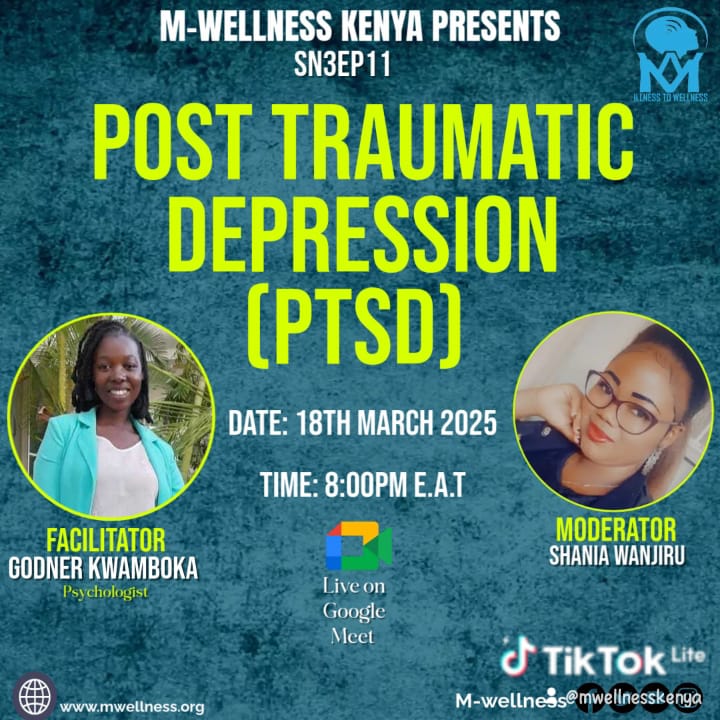
The Impact of PTSD on Mental Health
Post-Traumatic Stress Disorder (PTSD) is a mental health condition that develops after experiencing or witnessing a traumatic event. It affects not just emotions but also thought processes, relationships, and overall well-being.
How PTSD Affects Mental Health
- Hyperarousal and Anxiety
- PTSD keeps the brain in a constant state of alertness, leading to chronic anxiety and sleep disturbances.
- People with PTSD may experience flashbacks, nightmares, and an exaggerated startle response.
- Emotional Dysregulation
- Difficulty managing emotions such as anger, fear, and sadness.
- Increases the risk of depression and self-destructive behaviors.
- Avoidance and Social Isolation
- Many individuals with PTSD avoid places, people, or activities that remind them of trauma.
- This can lead to isolation, making it harder to receive emotional support.
- Cognitive Distortions and Negative Thought Patterns
- PTSD alters the way individuals view themselves and the world, leading to feelings of hopelessness and low self-worth.
- These negative thought patterns contribute to depression and anxiety disorders.
Healing from PTSD
- Therapy: Trauma-focused cognitive behavioral therapy (TF-CBT) and EMDR (Eye Movement Desensitization and Reprocessing) help process trauma.
- Support Groups: Connecting with others who have experienced similar trauma can reduce feelings of isolation.
- Self-Care Practices: Mindfulness, deep breathing, and regular exercise help manage PTSD symptoms.
PTSD significantly impacts mental health, but with the right support and treatment, individuals can regain control over their lives. Seeking professional help is essential in the healing process.